Why Rest Feels So Hard When You're Stressed
Jun 04, 2026
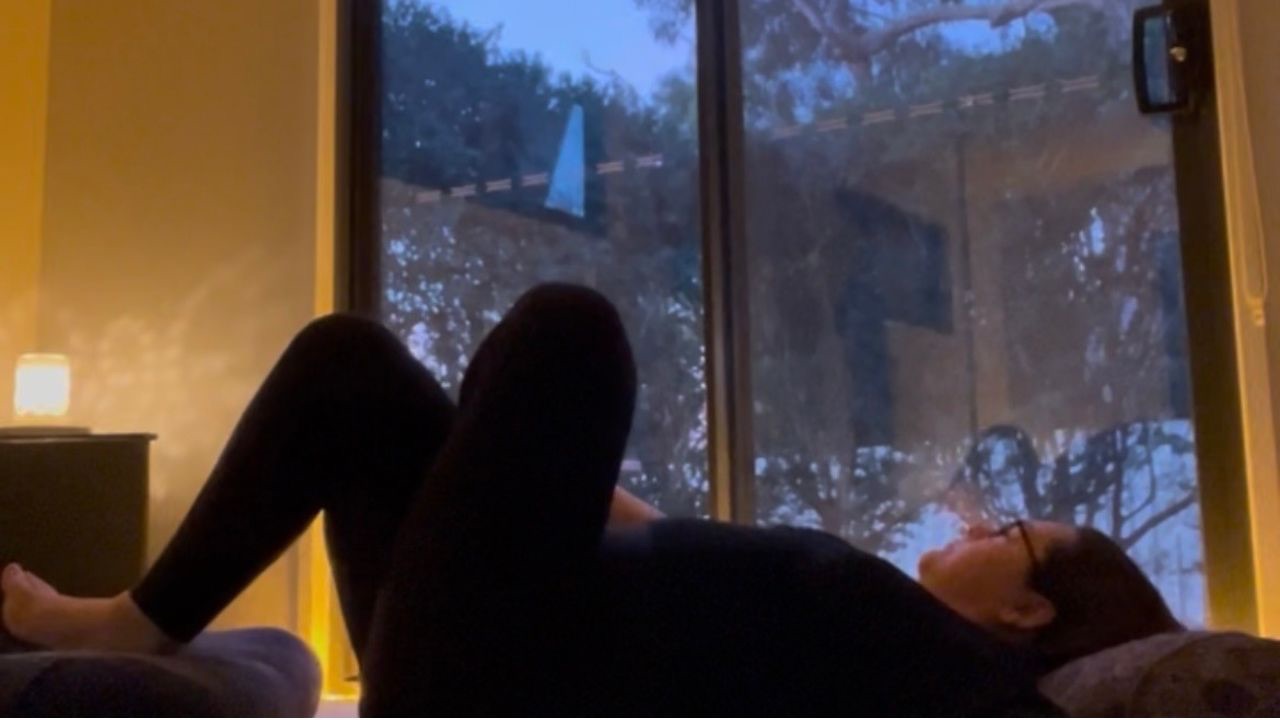
There are days when all you want is to stop.
You sit down. The house goes quiet. The list is mostly done. Nothing urgent is calling for you and still your body doesn't seem to get the message.
Your mind keeps moving through tomorrow. You reach for your phone before you've even decided to, you remember an email. You start wondering if you should be doing something more with this time.
Even when the permission to rest finally arrives, actually resting can feel just out of reach.
It isn't a personal failing
Most of us assume rest should happen automatically, that when the work stops, relaxation simply follows.
But rest isn't the absence of activity. It's a shift in state.
When you've spent days, weeks, or months moving through life under pressure the nervous system learns to stay ready. It learns to anticipate the next demand. The next message. The next thing that needs doing.
So when stillness comes, it can feel unfamiliar. Uncomfortable, even. Not because there's anything wrong with you. But because your body has been doing its job and doing it for a long time.
What busyness quietly does
Life has a way of pulling us toward constant doing, not because we choose it, but because the pace simply carries us there.
Messages arrive after work hours, responsibilities don't end when work does. There is always something else waiting.
Over time, the body begins to hold that readiness as its baseline. And when you finally sit down, the gap between that and true rest can feel surprisingly wide.
Slowing down can feel strange, even when you desperately want it.
The body needs a bridge
Rest doesn't often arrive the moment we stop moving. The body needs a gradual transition, a way to move from bracing to softening.
This is one reason gentle movement can feel so supportive. Not exercise. Not effort. Something slower.
A comfortable twist. A long exhale. A few minutes of lying down and noticing where your body touches the floor.
Whether it's restorative yoga, a simple stretch, or a quiet moment of movement, these practices offer a gentle bridge between stress and relaxation.
These aren't practices that force relaxation. They're invitations, a quiet signal to the body that it's safe to begin letting go.
Rest isn't something you earn
There's an unspoken belief many of us carry: that rest belongs at the end. After the work is finished, after everyone else's needs are met., after you've done enough.
But rest isn't a reward. It's something the body needs as basic as food or sleep or connection.
Small moments matter. A few slow breaths matter. Ten minutes on the floor at the end of a hard day matters, not because it solves everything, but because it reminds your body that softness is still available to it. The quiet repetition is a reminder that rest is nutrition, that deep rest supports a healthier nervous system. That slowing down is not wasted time.
A quiet place to begin
Rest doesn't have to be perfect or prolonged to count. Sometimes it looks like closing your eyes for a few minutes, sometimes it looks like moving slowly on the floor and letting someone else hold the pace for a while.
If you're looking for a gentle way to unwind from stress and overwhelm, my free 10-minute yin class is a quiet place to begin.
Drawing on the principles of restorative yoga and nervous system support, it's designed to help you slow down, soften, and reconnect with yourself.
No flexibility required. No experience necessary.
Just you, the floor, and a little bit of space to arrive.
🌱A haven for deep rest.
